City Cast Test City logo

Colorado Fireflies Are Lit

Posted on August 15, 2023   |   Updated on September 30, 2025
Dylan Brogan

Dylan Brogan

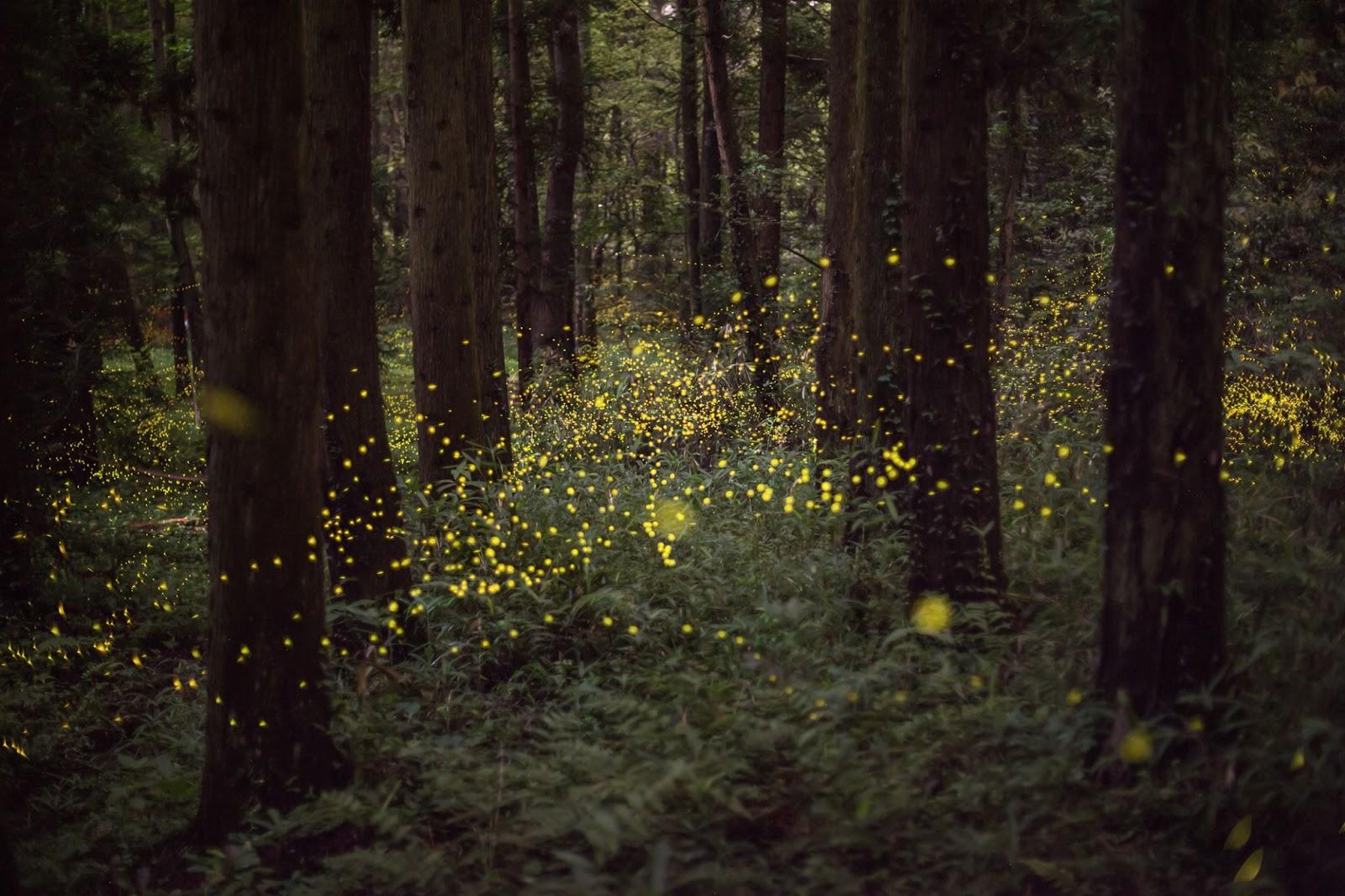
Illluminated fireflies dot a serene forest at dusk

Why yes, you can find fireflies in Colorado. (Trevor William / Getty Images)

Big news for the local bug-loving community: Last month, the Butterfly Pavilion saw the emergence of its very first lab-bred adult fireflies as part of its Firefly Lifecycle Project, an initiative born in 2019 dedicated to breeding native Colorado fireflies in order to learn more about their life cycles and sustainability needs.

Wait, Colorado has fireflies?

Yes! They can be found in small populations along the Front Range from Greeley to Pueblo. They require wet habitats and can be seen lighting up the evening sky for a few short weeks in June and July (mating season).

What did researchers learn?

The team at BP took notes about the kind of environmental factors — from diet to shelter to temperature — that will best help this species thrive. Fireflies serve as an indicator species for wetland habitats; their health directly indicates the overall health of their surrounding ecosystem.

Now what?

BP will continue to study this species and other fireflies native to Colorado with the goal of breeding a sustainable population in the lab as part of conservation efforts — and you can help! The next time you see fireflies, report the sighting to the Colorado Firefly Project and the Natural History Museum of Utah.

Where can I see fireflies in Colorado?

If you know where to look, you can spot the little lightning bugs in Fort Collins, Loveland, Boulder, and even Littleton! Check out this list of firefly viewing spots from the Butterfly Pavilion.

Interesting firefly facts:

  • Fireflies are not flies at all, but beetles!
  • Once they reach adulthood, they only live for a few weeks
  • Each firefly species has its own distinct flashing “language”
  • The females of some species are known to flash patterns of other species to attract those males, which they then kill and eat


Share article

Our daily newsletter Hey Test City is here to make you a more engaged citizen of the city you love. The perfect mix of local news highlights, event recommendations, and local life hacks, its in your inbox at 6 a.m.

Urban Almanac

See All
Urban AlmanacApril 23

Testing lists

“The diversity and abundance of cuisines in Chicago.

Urban AlmanacOctober 1, 2025

nlp test

You’ve probably heard by now that the Vaux’s swifts have left Chapman Elementary — their main stop in Portland since at least the ninetie...

Urban AlmanacApril 10, 2025

Where To Find Free, Public Bathrooms in Chicago

Chicago is such an expansive city, and when you’re walking around, it may not always be easy to find a public bathroom that is free.

Public restroom with floor to ceiling tiles.
Urban AlmanacAugust 14, 2024

How Beavers Went from Eradication to Abundance in Pennsylvania

Before the arrival of European colonists, beavers were abundant in North America, but by the late 1800s excessive trapping and rapidly ch...

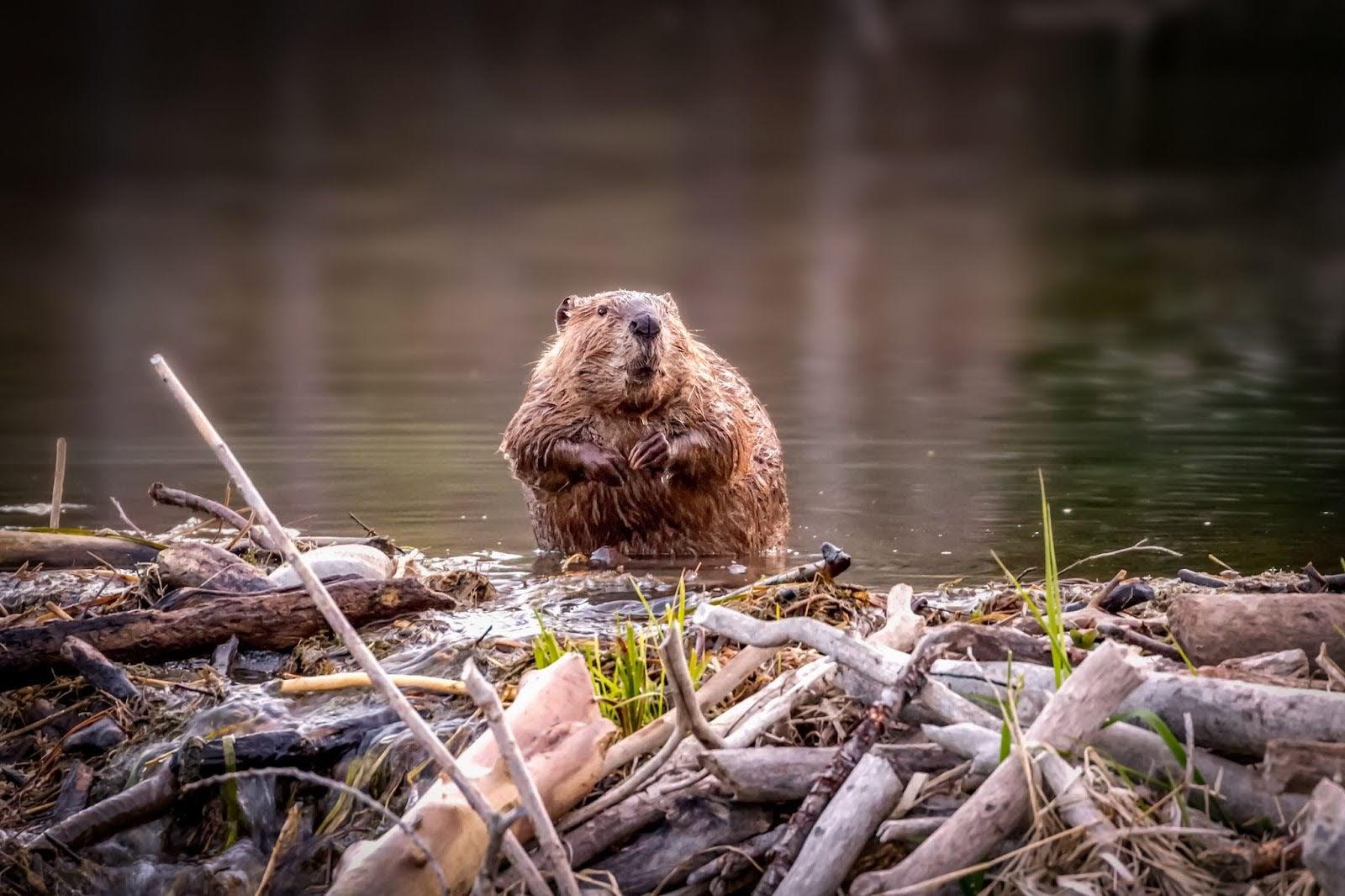
A beaver standing on top of its dam.
Urban AlmanacJuly 1, 2024

How Beavers Went from Eradication to Abundance in Pennsylvania

Before the arrival of European colonists, beavers were abundant in North America, but by the late 1800s excessive trapping and rapidly ch...

A tray of oysters sitting on ice with a lemon wedge and cocktail sauce.
Urban AlmanacMay 27, 2024

Periodic Cicadas (And Why They’re Not Coming to Pittsburgh)

The annual cicada that we get every year is boringly named Tibicen canicularis, but adorably called dog-day cicada.

A chart of the various markings of native Idaho bee types.
Urban AlmanacAugust 17, 2023

BFM: Trolls in Colorado

A second troll is coming to Colorado. The first — the infamous, 15-foot Isak Heartstone — lives in Breckenridge. You can find him watchin...

Pictured is an art installation of a giant wooden troll in the woods of Breckenridge, Colorado created by Danish artist Thomas Dambo.
Urban AlmanacAugust 1, 2023

Molly: Murder Hornets’ and Cicada Killer Wasps

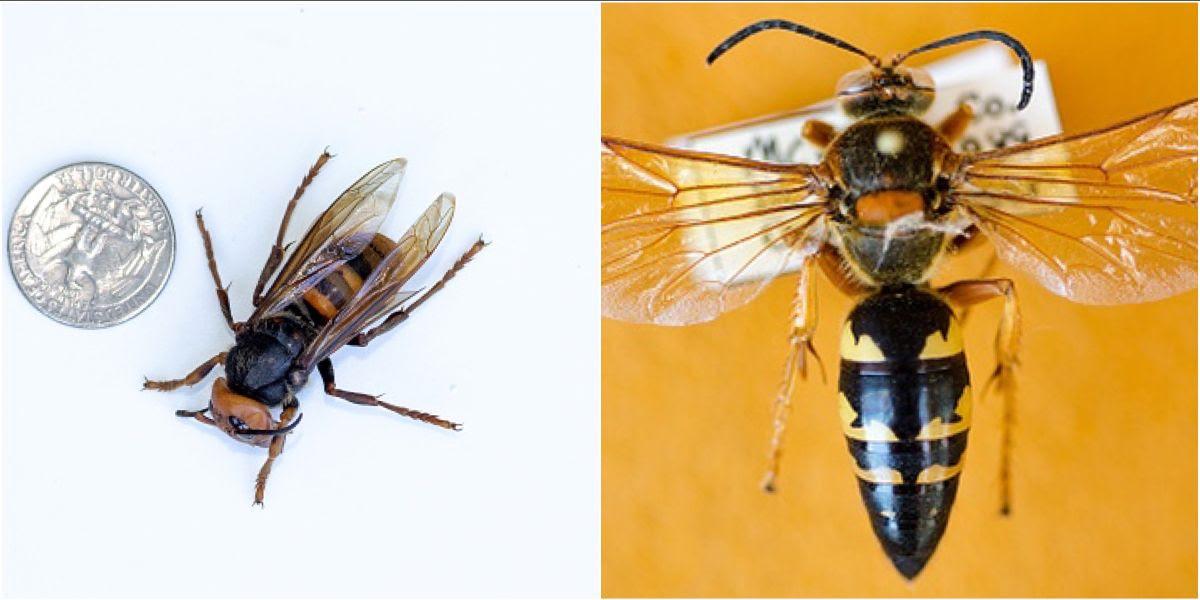
They were previously known as the Asian Giant Hornet (or “murder hornets” by the public and the media).

Left: Northern Giant Hornet (Karen Ducey / Getty Images) Right: Cicada Killer Wasp (Nancy Nehring / Getty Images)